
About Us
Working together to conserve and enhance the East Devon National Landscape
About Us
Working together to conserve and enhance the East Devon National Landscape
About Us
Working together to conserve and enhance the East Devon National Landscape
What we do
In England and Wales, our finest landscapes have been conserved through designation as National Parks and National Landscapes.
The East Devon National Landscape was designated as a National Landscape (previously known as an Area of Outstanding Natural Beauty) in 1963 and is one of the 46 National Landscapes situated across the UK.
Our purpose is to ‘conserve and enhance the area’s natural beauty
Our vision is for beautiful, thriving landscapes that all people feel part of.
As a small team, we work in partnership. Bringing together landowners, local communities, organisations and experts to create and deliver our Management Plan.
Through this plan, our team and partners make sure that East Devon National Landscape is a beautiful, thriving place that all people feel they can be part of.
Overlays on/off
Our Special Qualities
The natural beauty of East Devon is described in ‘special qualities’ that together make it unique and outstanding. These are the elements we need to protect and regenerate for the future, and they should be considered in all decisions affecting the National Landscape.
These special qualities are axiomatic to what goes into making the natural beauty of the landscape. Alongside the key characteristics of the landscape areas and types, they require protection, conservation and enhancement if EDNL is to retain its character and status among England’s finest landscapes.
The special qualities of the East Devon National Landscape include:
Striking coastal scenery
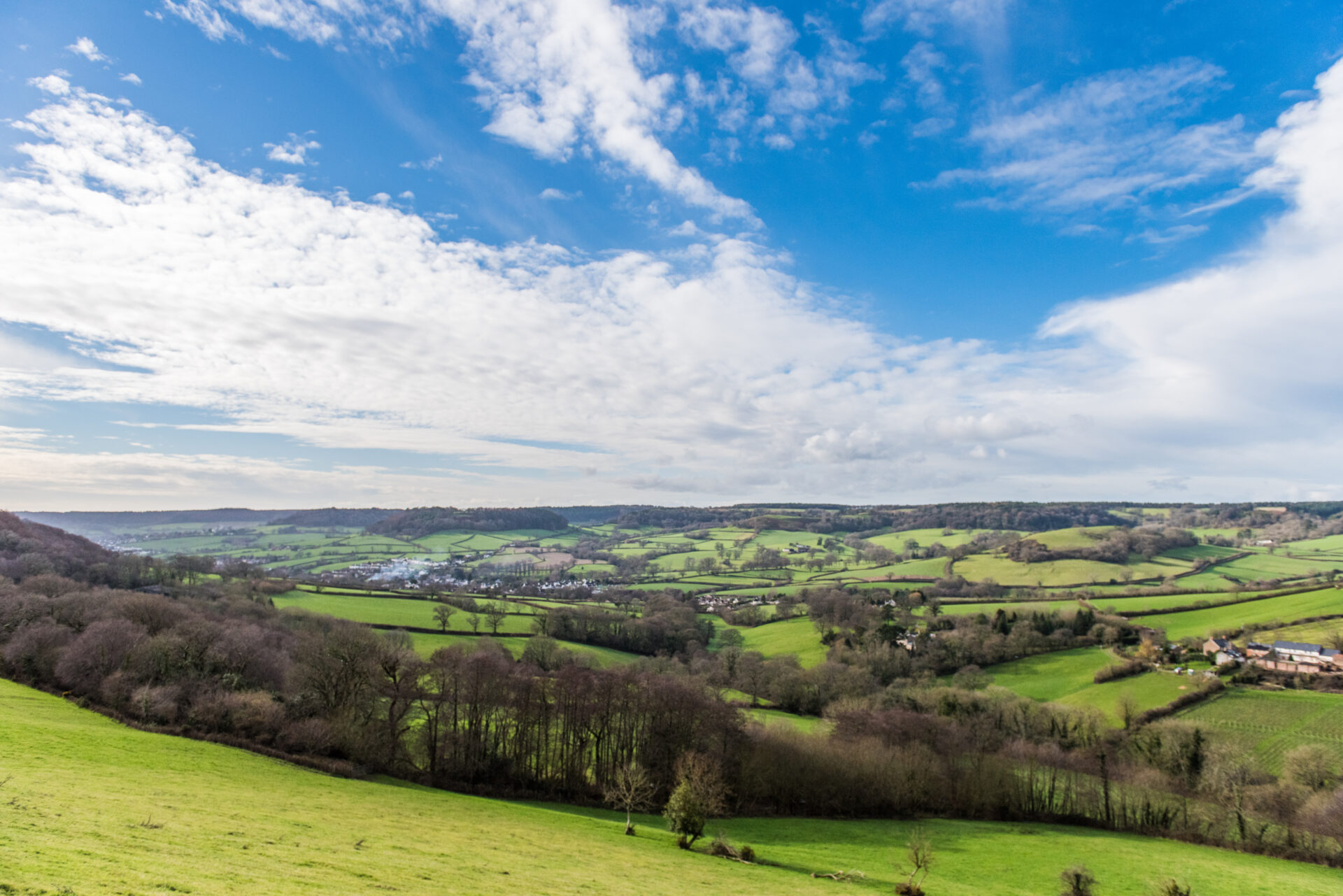
The East Devon National Landscape is celebrated for its diverse and striking coastal scenery.
From sheer red sandstone cliffs and wooded coombes to stark white chalk outcrops and wild, untamed coastal stretches, the area offers a breathtaking mix of landscapes.
Diverse landscapes
The beauty of East Devon doesn’t stop at the coast. Inland, heathland commons form open, remote plateaux with far-reaching views, offering vital spaces for biodiversity and recreation.
Surrounding these plateaux are lowland valleys, characterised by a patchwork of farmland, hedgerows, and woodland copses.
Elevated ridges extend from the Blackdown Hills in the north, their height and linear features highlighted by beech tree avenues. Woodland clads the steep-sided goyles, reaching into the agricultural valley below.
This contrasts with the broad, flat, floodplains of the rivers Axe and Otter, with tributaries weaving through the farmland before draining into these expansive plains.
Shaped by nature and people
For thousands of years, human activity has shaped this land, creating a landscape of exceptional beauty that underpins its agricultural and tourism-based economy.
Recreational, cultural and spiritual qualities about, with open access land, nature reserves and a varied network of paths provide extensive opportunities for recreation, healthy exercise, uninterrupted views or an escape to tranquility and relative isolation.
Our landscape has inspired generations of artist endeavors, from descriptive writing, poetry, art and music.
How we work
The East Devon National Landscape team is hosted by East Devon District Council and acts on its behalf to prepare, publish and deliver the EDNL Management Plan in line with the Countryside and Rights of Way Act 2000.
Our 5 year Management Plan prioritises and inspires action. We work with communities, land managers and partner organisations to make things happen.
Meet the team
The Partnership
To achieve a wilder and greener East Devon National Landscape with the urgency required to address the biodiversity and climate crises, we work collaboratively across a diverse partnership.
Through working together with people from a range of backgrounds, we can impact and influence land and communities at the scale necessary to realise landscape-scale nature recovery.
We are proud to work with a range of organisations:
Department for Environment Food & Rural Affairs
Devon County Council
East Devon District Council
Axe Vale & District Conservation Society
Country Land and Business Association
Clinton Devon Estates
Devon CPRE
Devon Association of Local Councils
Devon Wildlife Trust
Federation of Small Businesses
Historic England
Environment Agency
Forestry Commission
National Farmers Union
National Trust
Natural England
Otter Valley Association
Sid Vale Association
The Donkey Sanctuary
Want to get involved
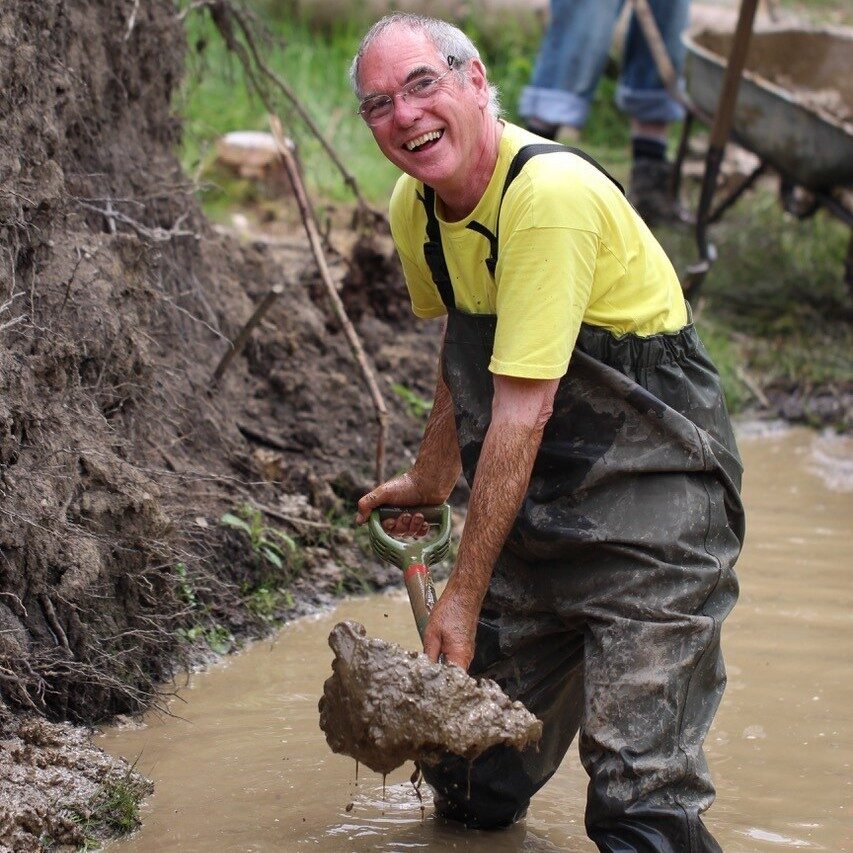
We’re always on the lookout for enthusiastic people to get involved at our events, conservation projects and much more.
If you’re looking for a volunteering opportunity where you can make a real difference to the National Landscape please contact us letting us know what you’re interested in.
Executive Group
The Executive Group consists of representatives from all core funding agencies (except DEFRA).
They meet twice per year and have oversight over delivery of the Management Plan and decision-making power over the Business plan.
The Executive Group consists of: East Devon District Council, Devon County Council, Natural England, Chair of EDNL, Vice-Chair of EDNL.
Projects
We have a rare opening for a Communications Officer to join our National Landscape team!
This is a 12-month maternity cover role that’s perfect for someone who loves being creative and working with people. You’ll be the voice behind our projects—helping nature thrive and keeping our communities connected.
💰 Pay: £36,363 - £42,839 pro rata.
🕒 Hours: 30 hours a week (part-time).
🏠 Flexibility: We’re big on hybrid working—we want you to have a life outside of work!
It’s a fantastic opportunity to grow your skills in a team that truly cares about the environment.
Link in bio.
#eastdevon #JobOpportunity #greencareer #DevonLife #nationallandscape


🎅 ✨ Merry Christmas from all of us at the East Devon National Landscape team! ✨🎄
We’ve loved working with our amazing volunteers, partners and local communities this year - thank you for helping us protect and enhance this special landscape. 💚
Have a wonderful festive break, and we can’t wait to see what we achieve together in 2026! 🌿
#MerryChristmas #EastDevon #NationalLandscapes #Nature #Conservation #Community #NatureProtection

To survive the colder winter months deciduous trees shed their leaves to save energy and water through winter 🌳💧
Those fallen leaves become cosy homes for insects and small animals – and, with the help of worms and fungi, the nutrients the tree collected over the year are recycled back into the soil. An amazing winter habitat! 🐛🍁
#TreeFacts #NatureCycle #EastDevon #WildlifeHabitat #EcoFriendly

It’s Secret Santa season - and the perfect time to give greener! ♻️
💚 Buy second-hand treasures - from charity shops or sites like Vinted & eBay.
🎨 Support local makers -East Devon is bursting with artisan crafters, from candles to cheeses!
🎁 Wrap creatively - use brown paper, fabric scraps (Furoshiki), or old maps and avoid plastic sellotape.
🍓 Get creative - make homemade gifts like jams, chutneys, or soaps.
#SustainableGifting #EcoChristmas #ShopLocal #EastDevon #PlasticFree #GreenLiving
