Nature

Beer Quarry Caves
Beer Quarry Caves
Beer Quarry Caves
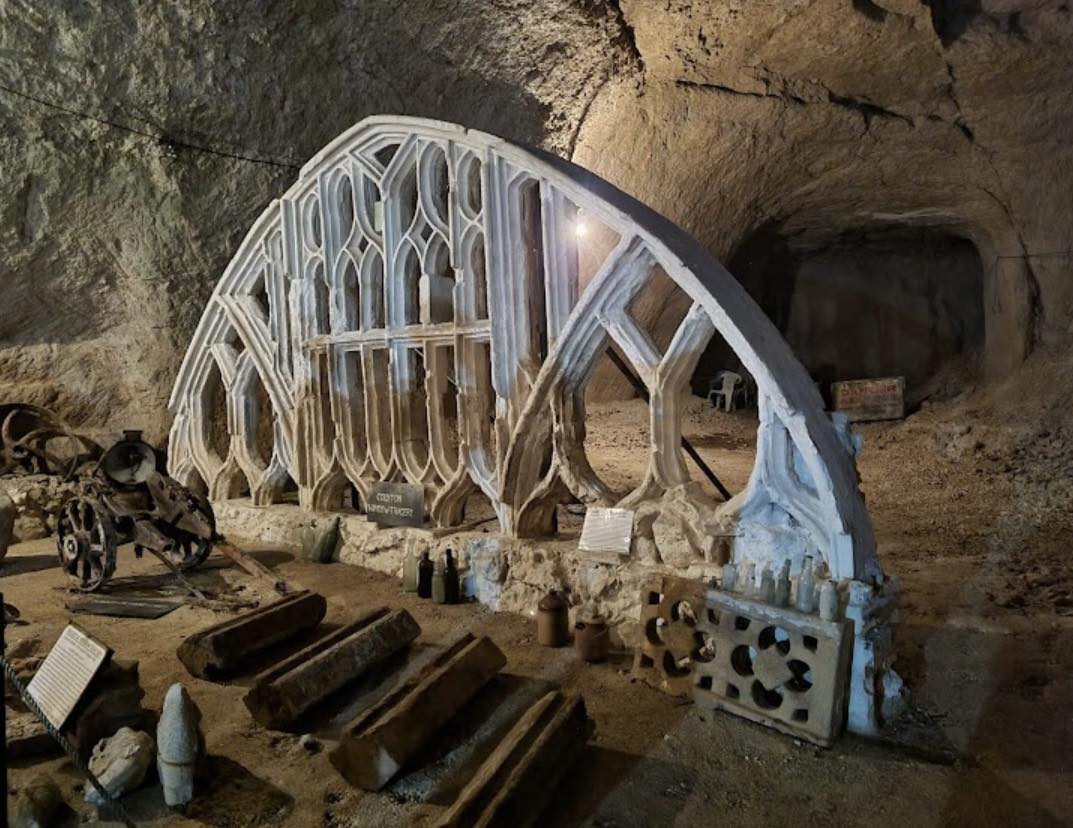
Located a mile west of the picturesque village of Beer, Beer Quarry Caves is a spectacular man-made limestone complex that offers a unique 2,000-year timeline of English history.
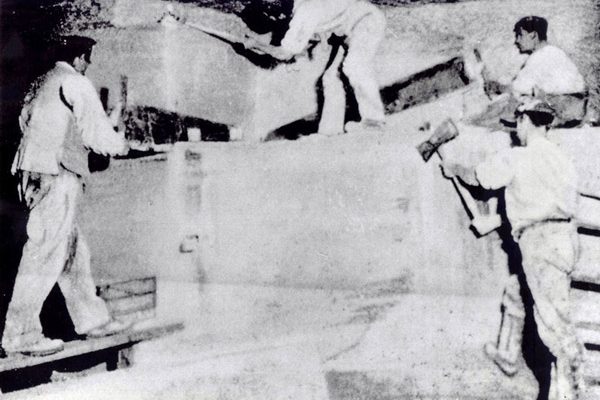
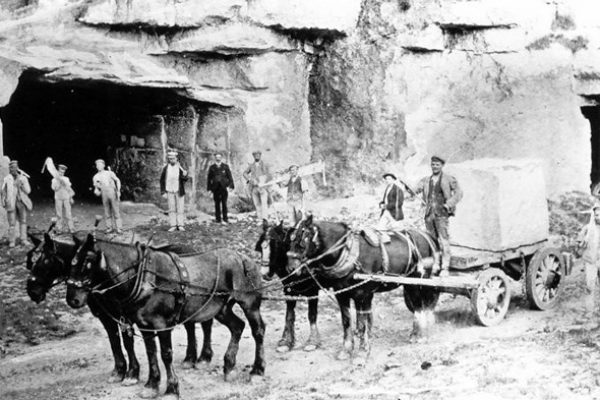
Carved out of the hillside since Roman times, these vast “underground cathedrals” were the source of the famous Beer Stone, a prized fine-grained limestone used in the construction of 24 cathedrals (including Exeter, St. Paul’s, and Winchester), Westminster Abbey, and even the Tower of London.
The site is a designated Special Area of Conservation (SAC) and Site of Special Scientific Interest (SSSI). It is internationally significant as a winter hibernaculum for rare bat species, including the Greater and Lesser Horseshoe and the rare Bechstein’s bat.
You can book tours of the caves, typically open from late March (the week before Easter) until October 31st. Tours generally run hourly from 10:30 AM. The last tour is usually at 3:30 PM (extending to 4:30 PM during school holidays). Advance booking is highly recommended via 01297 680282.
Information
Additional Information
Beer Quarry Caves Caves are a site of international importance, specifically designated as a Special Area of Conservation (SAC) because of the unique bat populations that rely on the caves for survival.
While you are unlikely to see large numbers of bats during the public summer tours, as they are mostly away at “maternity roosts”, the caves serve as a vital home for them during the winter.
The Horseshoe Bats
The most famous residents are the Greater and Lesser Horseshoe bats. These are easily recognised because they don’t crawl into crevices like other bats; instead, they hang freely from the ceiling, completely wrapped in their wings. They both have a distinctive horseshoe-shaped “nose leaf” which helps them with their sophisticated echolocation.