Nature

The Maer Local Nature Reserve
The Maer Local Nature Reserve
The Maer Local Nature Reserve
The Maer is a stunning remnant of a much larger ancient sand dune system that once rolled directly onto the beach before the seafront road was constructed. Today, this sheltered spot serves as a vital sanctuary for both people and wildlife. While it is a popular spot for a stroll, much of the Maer’s magic is found in the details—so it’s worth slowing down and taking a closer look.
Life in the Sand
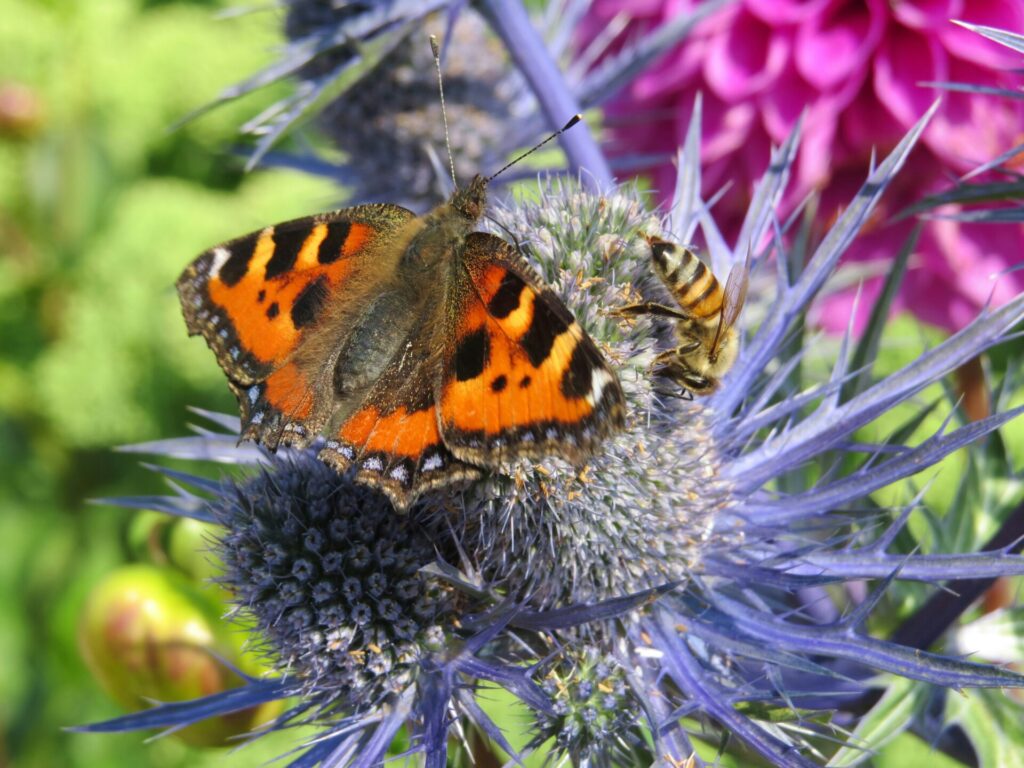
The warm, sandy soil makes these dunes a haven for specialised insects. If you watch the ground carefully, you may spot tiny solitary bees and wasps darting in and out of small burrows. These fascinating creatures dig deep into the sand to raise their young safely underground. They are harmless to humans, but provide a vital link in the local ecosystem.
Iconic Melodies
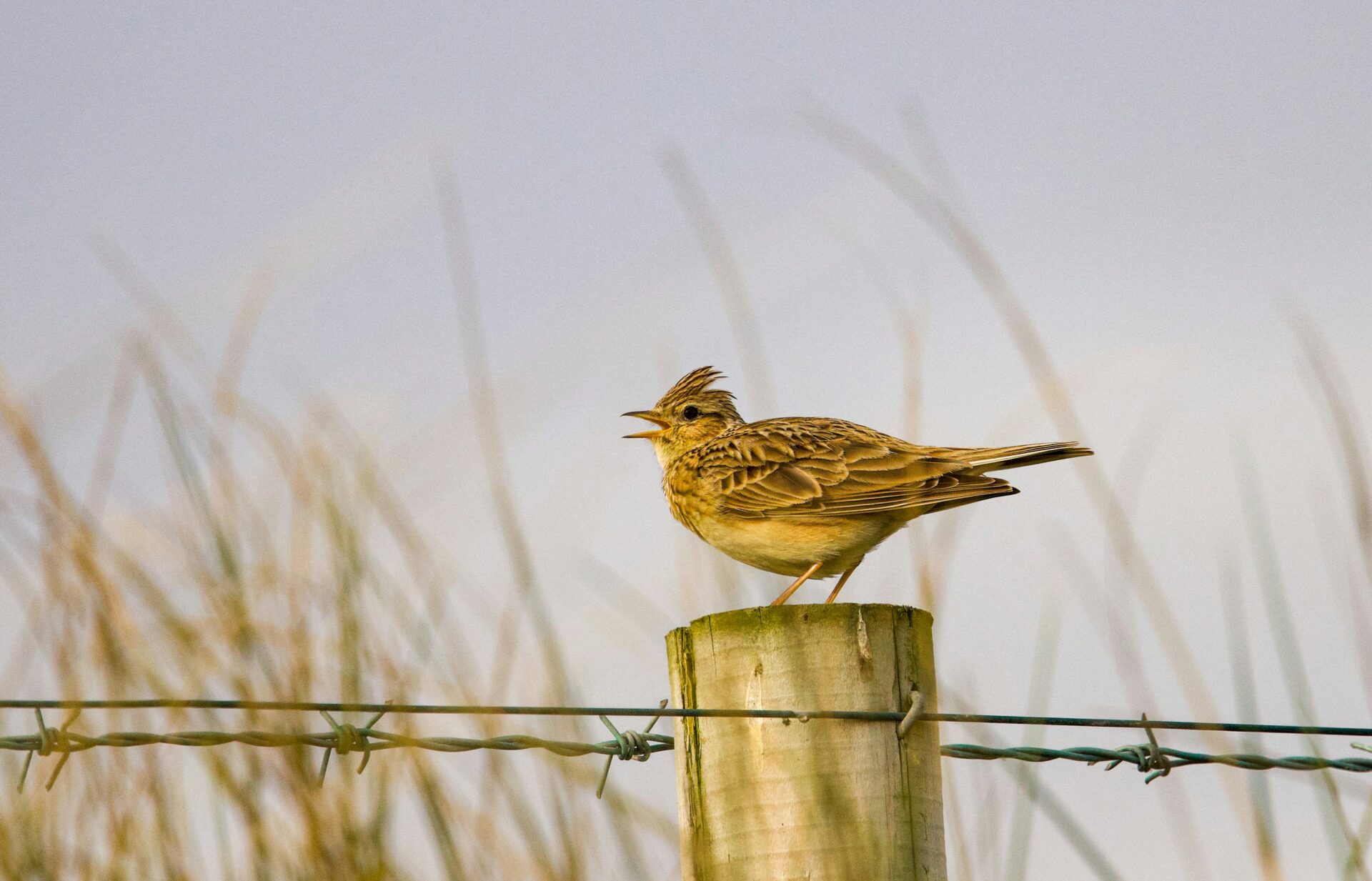
In the summer months, the air above The Maer is filled with the iconic song of the Skylark. While their numbers have declined sharply across the UK, a few dedicated pairs still nest here each year. If you hear a high-pitched, warbling song cascading from the clouds, look up—it is likely a skylark defending its territory or steering your attention away from its hidden ground nest.
Information
Additional Information
Botanical Treasures
The harsh, salty, and nutrient-poor conditions of the dunes allow rare and specialised plants to thrive where others cannot.
Look out for these seasonal stars:
Sea Holly: A striking blue-grey plant with prickly leaves. Though it looks like a thistle, it is actually a member of the carrot family.
Evening Primrose: These flowers put on a dramatic show in early summer, opening their bright petals as dusk falls.
Hare’s-foot Clover: Best spotted between June and September, this nationally rare clover is easy to identify by its soft, fluffy flower heads that resemble tiny rabbit feet.