People

Bechstein’s Bat
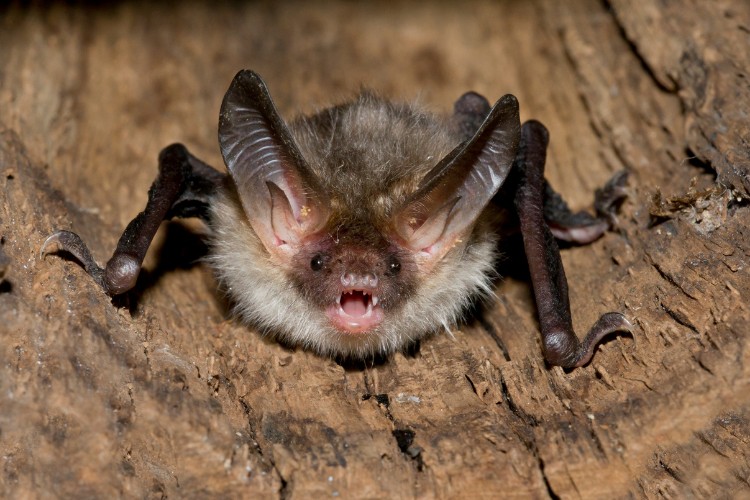
A very secretive bat so there is still a lot we don’t know about them.
Bechstein’s Bat
A very secretive bat so there is still a lot we don’t know about them.
Bechstein’s Bat
A very secretive bat so there is still a lot we don’t know about them.
There is a small population of this very rare bat in the East Devon National Landscape, at the edge of their range.
Typically, they rely on mature woodland for roosting, foraging, and hibernating. Woodpecker holes and deep cracks or crevices in old trees are preferred roosts and during the summer, groups of females will roost together to give birth and raise their young.
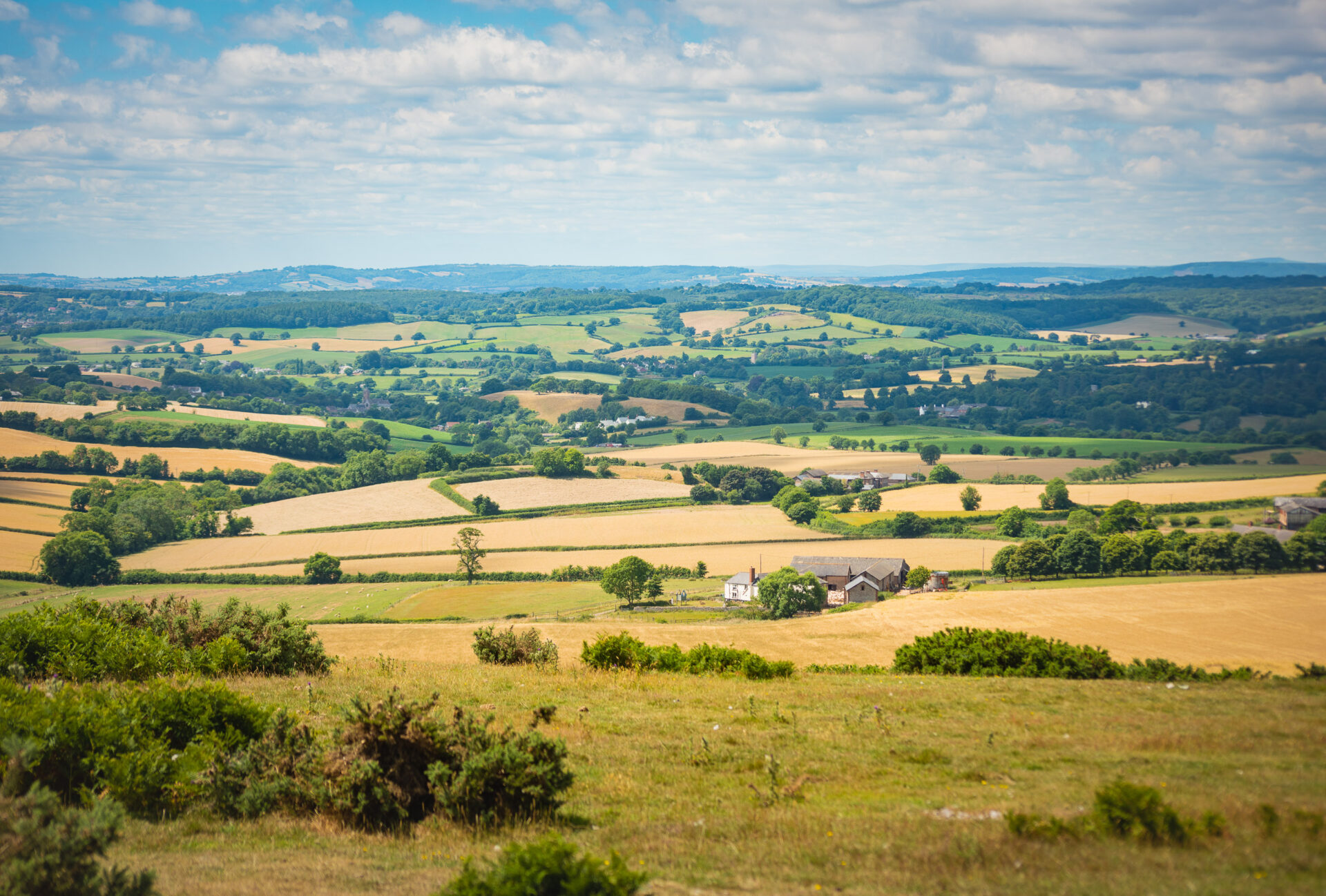
Curiously, in East Devon they seem to be using more open countryside; perhaps seeing our mosaic of small fields, copses, woodlands, and numerous hedges with hedgerow trees, as a very ‘open woodland’.
Why are they in trouble?
Bechstein’s bats need trees. Their reliance on ancient mature woodland for both roosting and foraging makes them very sensitive to the loss and fragmentation of this crucial habitat.
They are also vulnerable to intensive woodland management practices that can lead to the loss, destruction and disturbance of roosts or potential roosts (particularly in old trees).
In the UK ancient woodland covers
How will we help this special species?
Our work will focus on helping to stabilise the local population.
We need to understand more about the locations and behaviour of Bechstein’s bats in our area, so the project will fund a range of equipment to help our experts and volunteers gather the information we need to target future conservation activity.
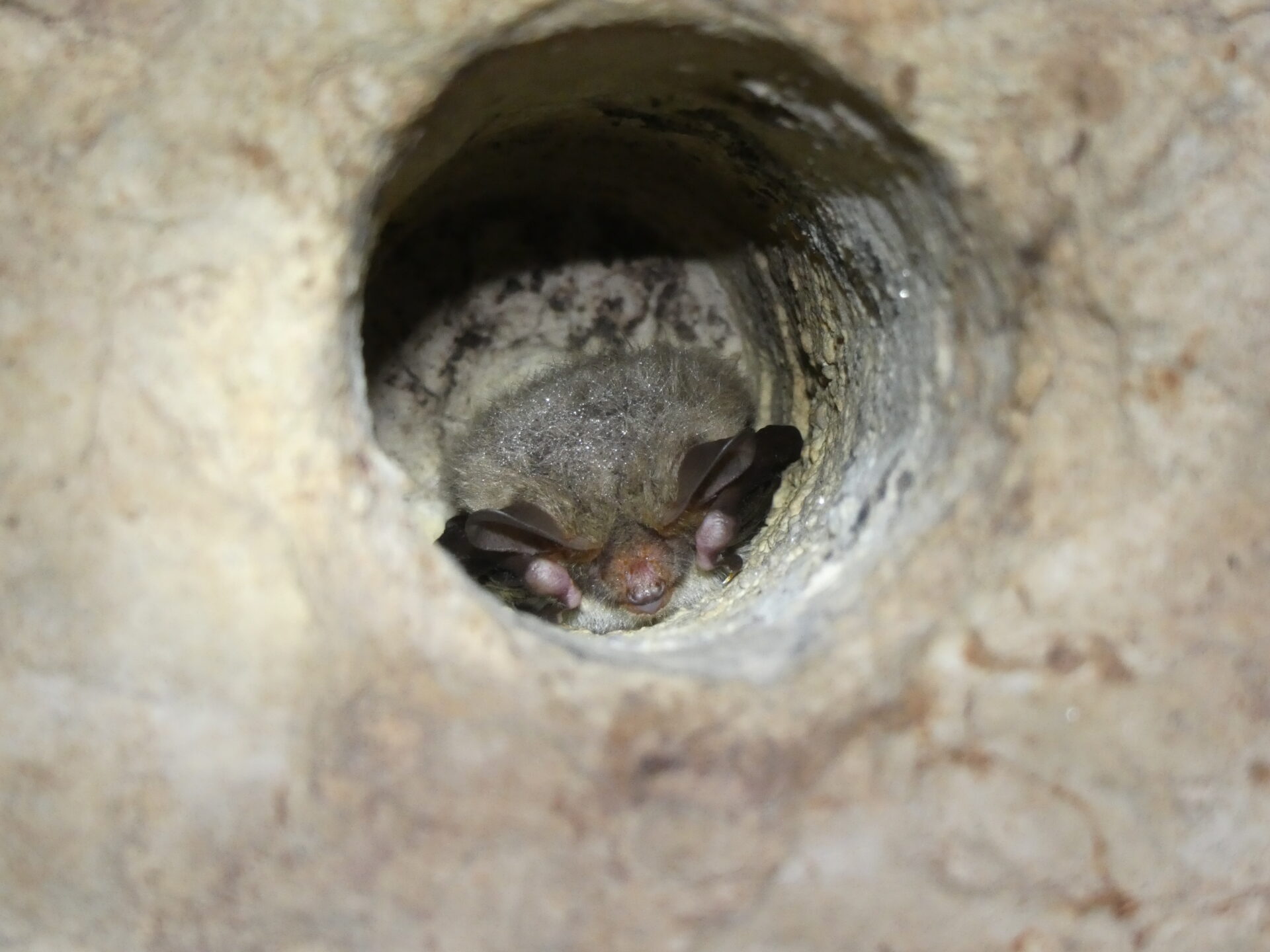
Local Bechstein’s are known to hibernate in Beer Quarry Caves, with further recorded roosts in east Devon trees. We will liaise with landowners to safeguard roost sites, with the introduction of bat boxes in key areas to help maintain existing populations.