Projects

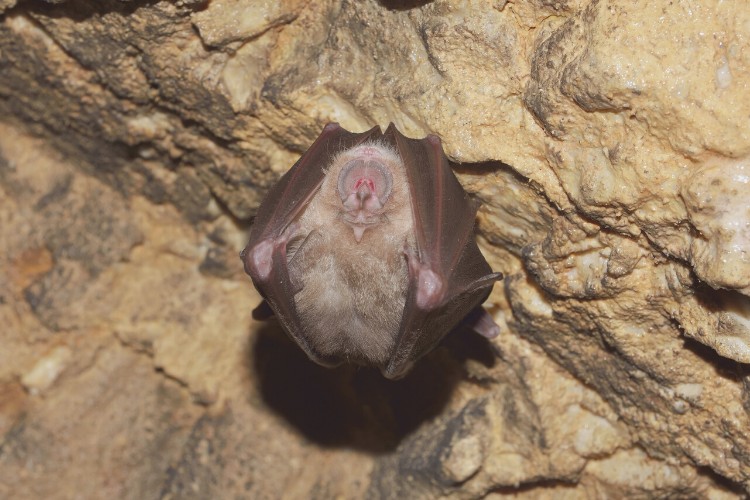
Greater Horseshoe Bat
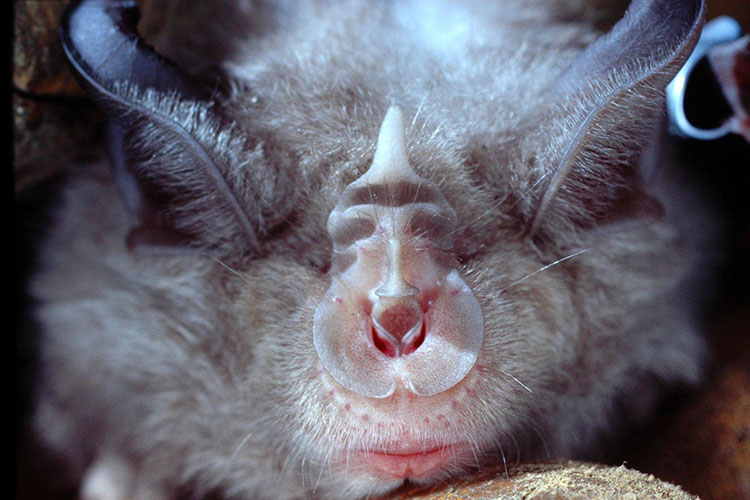
Named after its horseshoe-shaped nose ‘leaf’.
Greater Horseshoe Bat
Named after its horseshoe-shaped nose ‘leaf’.
Greater Horseshoe Bat
Named after its horseshoe-shaped nose ‘leaf’.
They use their horeshoe shpaed nose as part of their echolocation system – making tiny calls to navigate and find food as they fly.
With a wingspan reaching 40 cm, they are one of our largest UK bats and prefer larger prey, such as moths and beetles. They are still quite small though, weighing just 30g or about the same as 3 pound-coins.
The Greater horseshoe can reach ages of up to 30 years and during this time they will often return to the same hibernation, mating, and maternity roosts. Females will choose older buildings, with open roof spaces warmed by the sun, to raise their young.
Fun fact: When the bats are roosting they hang upside down. Their weight activates tendons that automatically ‘lock’ their claws to grip; to release itself the bat must first flex its knees.
Why are they in trouble?
Thanks to our patchwork of fields and the meadowland we are clinging to, Devon is seen as the last stronghold for the species. But landscape change is endangering biodiversity everywhere, so the bats are still very vulnerable.
The loss of woodland and hedgerows and use of pesticides are all threats, depriving bats of hunting grounds and reducing numbers of their prey. In addition, pivotal roost sites are lost when buildings (particularly those associated with farms) are converted or become derelict.
Bat population has crashed by
How will we help this special species?
The Greater Horseshoe bat project ended in 2020, marking the end of our partnership with a hugely successful 5-year collaboration that achieved great things for Devon’s bats.
Our aim now is to build on this legacy and continue our secure the future of this rare mammal.
We will
- Continue to work with landowners – improving and maintaining habitat, monitoring roosts for progress or any changes in status.
- Continue to raise the profile of the GHS bat – supporting community groups such as Bat Friendly Beer and working with them to raise awareness and get people involved with conservation activities.
- Organise bat walks – to explore how the landscape works for bats and other wildlife.
- Continue engagement visits with Beer Primary School.
- Promote opportunities to enhance the landscape for bats and consequently improve for all biodiversity.
