Nature

Heath Lobelia
Known locally as ‘the flower of the Axe’.
Heath Lobelia
Known locally as ‘the flower of the Axe’.
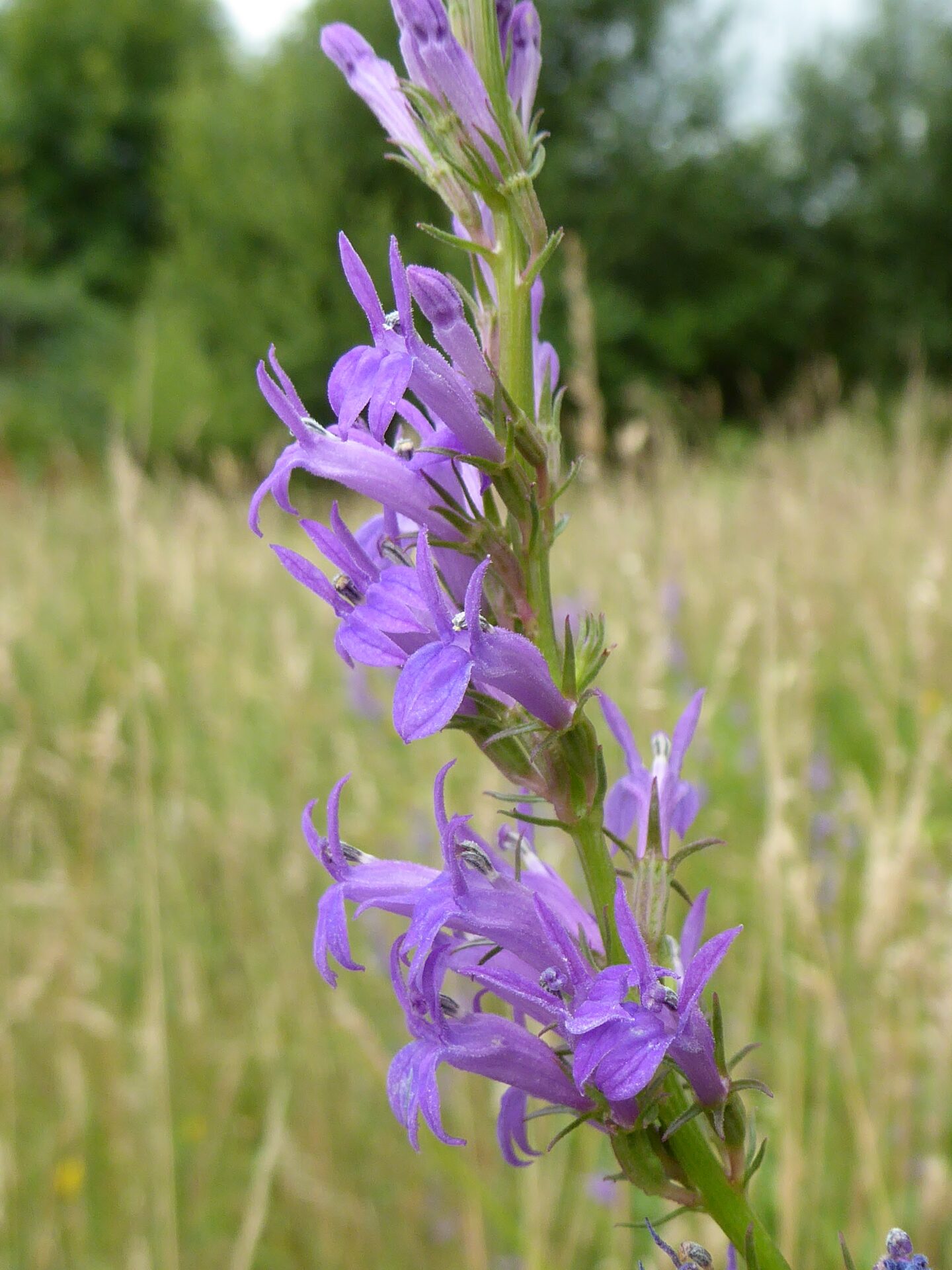
Heath Lobelia
Known locally as ‘the flower of the Axe’.
Heath Lobelia is an incredibly rare wildflower that was first discovered in 1768 growing on heathland near Shute in East Devon.
The striking purple-blue flower could once be found growing over a widespread area known as Kilmington Common; described in Rev Zachary Edward’s 1862 book, ‘Ferns of the Axe’, as growing ‘in a mile stretch, 100 yards wide’.
Today, the heath lobelia has almost disappeared from East Devon. Only one small ‘community’ of around 80 plants remains here, growing in a private garden.
Fact: Belonging to the Campanulaceae family, the Heath Lobelia has a striking blue flower, that emerges from July to September.
Why are they in trouble?
Over time, the plant’s ideal growing conditions of open heathland and disturbed ground, such as where livestock graze, have been replaced by woodland and this has led to its demise.
Tree planting on Kilmington common intensified from the 19th century onwards – started by Sir William Templer Pole, who planted 896,000 trees on the historic Shute Estate, including Shute Hill.
More recently, significant conifer planting took place from the 1950s onwards.
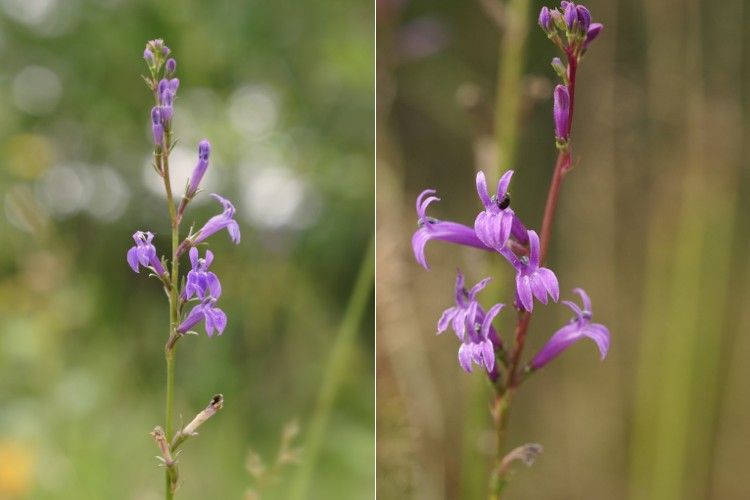
Native sites of Heath Lobelia in the UK
How will we help this special species?
Our heath lobelia conservation work will focus on doing everything we can to ensure the long-term survival of this very rare plant in east Devon.
Working with landowners, we will promote the safeguarding of the existing heath lobelia population and seek out new sites for planting in the Shute and Kilmington area, where it is known to have once grown extensively.
With help and expertise from volunteers, we’ll collect seed, cultivate new plants, carry out habitat management and monitor the progress of new planting sites.
We will promote the reintroduction scheme to the wider community, raising the profile and increasing support for this special native wildflower.