Projects

Pearl Bordered Fritillary
A rare woodland butterfly is now highly threatened in England and Wales.
Pearl Bordered Fritillary
A rare woodland butterfly is now highly threatened in England and Wales.
Pearl Bordered Fritillary
A rare woodland butterfly is now highly threatened in England and Wales.
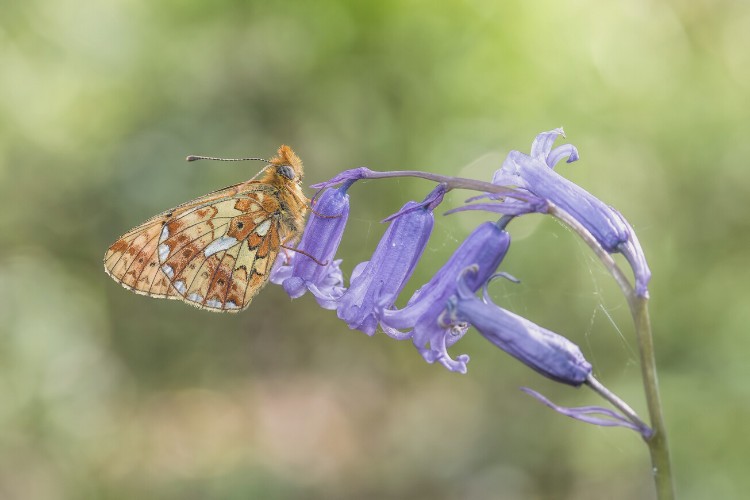
Its common name comes from the row of white dots or ‘pearls’ that run along the underside edge of its hindwing but, as one of the earliest butterflies to emerge in spring, it is also known as the April fritillary.
Fast ‘on the wing’, they are difficult to follow but can be found flying low or feeding on spring flowers, such as bugle, in sunny woodland clearings or around warm south-facing slopes of grass, bracken and scrub.
Fact: Violets are the sole foodplant of its caterpillars. Common Dog-violet is preferred, although it will use Heath Dog-Violet and Marsh Violet.
Why are they in trouble?
Changes in land management have been the main cause of the Pearl bordered fritillary’s drastic decline, particularly a loss of traditional woodland coppicing.
With coppice no longer wanted for industry, woodland areas have been replanted with faster growing trees or left unmanaged, reducing the amount of available habitat for the butterfly.
Insensitive woodland or land management and a further loss of habitat are still the main threat to remaining populations.
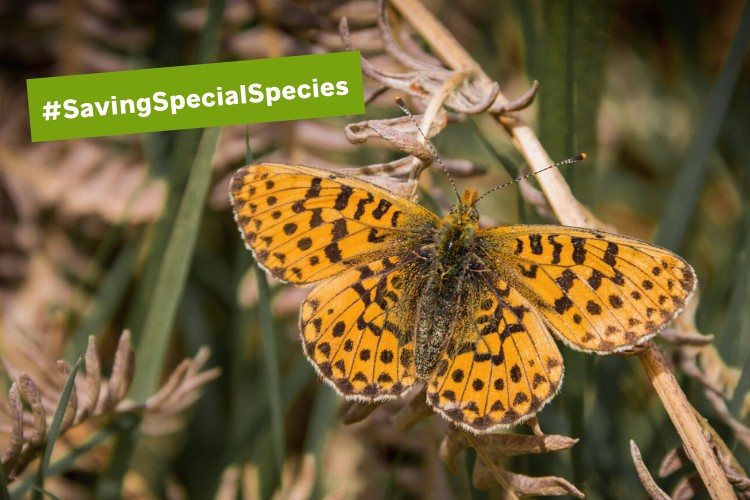
Decline in the UK distribution since the 1970s
How will we help this special species?
We need to understand more about the PBF in East Devon.
Based on previous data and sightings, we’ll be working with volunteers and local communities to survey and monitor the area looking for evidence of existing populations and habitats where as-yet undiscovered populations might be found.
We’ll also work with partners and local landowners to promote coppice woodland management and habitat enhancement, as well as running activities in our local communities to tell people about this special butterfly.