Nature

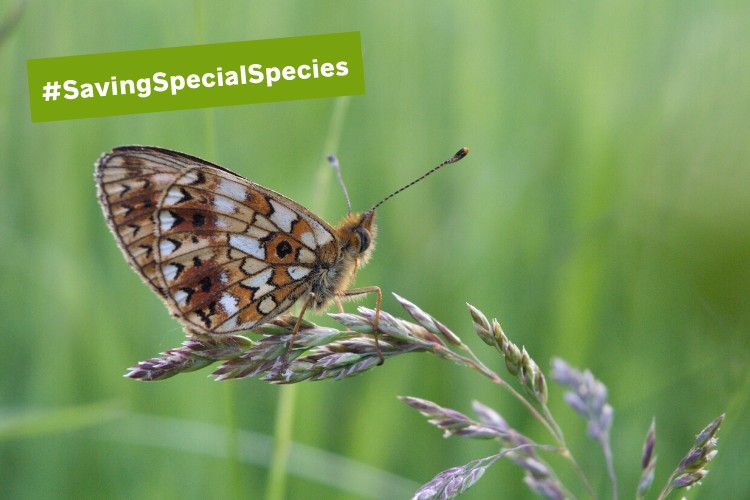
Small Peal Bordered Fritallary
Small Peal Bordered Fritallary
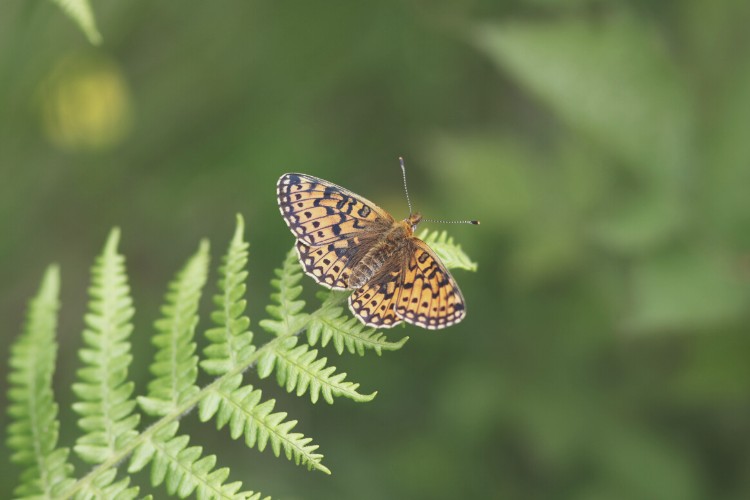
Small Peal Bordered Fritallary
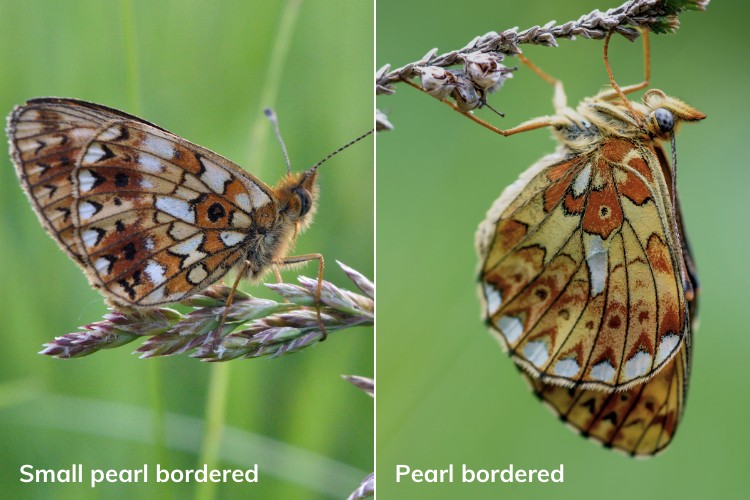
This fritillary and the Pearl bordered fritillary (PBF) can be difficult to tell apart.
They are similar in colour and size (despite the Small’s name suggesting otherwise), each is named after a row of seven pearls on its underwing, they both require violets for their caterpillars to feed on, and they often share the same habitat.
There are differences; the Small pearl-bordered is more widespread and occurs in damper grassy habitats, its underwing pearls are bordered in black chevrons rather than red, and in this species’ case, small means fewer as the PBF has two very distinct additional pearls.
It’s the similarities that bind them from a conservation perspective – working to protect the rarer PBF we can benefit both fritillaries.
Why are they in trouble?
Sharing food plant requirements and habitats, the main threat to both pearl bordered fritillaries is the same – a loss of habitat.
Changes in land management have been the main cause of decline, particularly a loss of traditional woodland coppicing.
Insensitive woodland or land management and a further loss of habitat are still the main threat to remaining populations.
Decline in UK distribution since 1970s
How will we help this special species?
Happily, all action we take to support the rarer Pearl bordered fritillary will support the small pearl bordered fritillary at the same time.
We’ll be working with keen volunteers and local communities to survey and monitor the area looking for evidence of existing pearl bordered fritillary populations and habitats where as-yet undiscovered populations might be found.
We’ll also work with partners and local landowners to promote coppice woodland management and habitat enhancement, as well as running activities in our local communities raise awareness and encourage support for this special butterfly.